
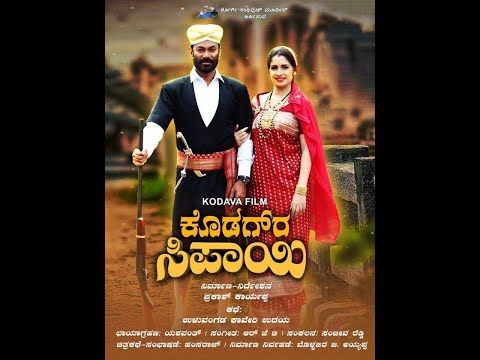
The Song of the Hills: A Kodava Film’s Victory and the Triumph of a Community’s Voice
In the soft, mist-wrapped hills of Kodagu, where coffee blossoms perfume the air and the whispers of ancestors seem to ride the breeze, a story has been told. Not just any story, but one woven from the very soil of the land, spoken in the lyrical cadence of the Kodava thakk language, and draped in the vibrant crimson and gold of the traditional Kupya. This story, captured on film, has now stepped onto a grander stage, winning the state’s coveted award for Best Regional Film. This is more than a cinematic victory; it is the resonant echo of a community’s soul, finally heard and celebrated.
The film itself is a love letter to Kodava culture. To watch it is to be granted entry into the sacred space of the ain mane, the ancestral home, and to understand the deep ties that bind the Kodava people to their land and legacy. The camera doesn’t just observe; it immerses you. You feel the weight of history in the rituals, the pride in the straight-backed posture of its characters, and the unspoken emotions that flicker in their eyes. The dialogue, flowing in a language spoken by a community of less than two hundred thousand, is not a barrier but a key, unlocking a world of nuanced emotion and cultural specificity that transcends linguistic boundaries.
For the Kodavas, a community renowned for their distinct martial traditions and rich tapestry of customs, this award is a profound affirmation. In an age where globalization threatens to homogenize local identities, cinema becomes a vital vessel of preservation. This film is a living archive—a dynamic, breathing document that safeguards the cadence of their language, the elegance of their attire, and the complexity of their social bonds for generations to come. The award is a validation that their unique heritage is not a relic, but a vibrant, living narrative worthy of the highest accolades.
The filmmakers and cast, many likely hailing from the community themselves, have undertaken the sacred role of cultural custodians. Their triumph is a beacon for storytellers across India’s diverse linguistic landscape, proving that a narrative’s power lies not in its budget, but in its authenticity. It is a testament to the idea that the most universal human experiences—love, loss, pride, and belonging—are often most powerfully communicated through the most specific, rooted stories.
As the award is held aloft, it catches the light not just for a single film, but for a brighter, more inclusive future for Indian cinema. This victory for the Kodava film is a victory for every hill, every valley, and every community waiting for its song to be sung. It is a powerful reminder that the true strength of a nation’s cultural fabric is measured by the diversity and resilience of its individual threads. The hills of Kodagu have sung, and the world has paused, listened, and applauded.

